What Happens During a Root Canal? A Step-by-Step Guide
A general dentistry exam can help identify the cause of persistent tooth pain, swelling, or deep decay. When the soft tissue inside a tooth becomes inflamed or infected, root canal treatments in Riverview, MI, may be recommended to address the problem while preserving the natural tooth.
The procedure has a reputation for being intimidating. However, modern treatment is designed to remove damaged tissue and seal the tooth. Understanding each step can make the process feel more predictable and less mysterious.
 Why Is a Root Canal Recommended?
A root canal may be needed when infection or inflammation affects the pulp inside a tooth. Deep decay, cracks, repeated dental procedures, or trauma can create pathways for bacteria to reach this sensitive tissue.
An infected tooth does not always look severely damaged from the outside. Pain, prolonged sensitivity, tenderness, swelling, or a darkened tooth can all be signs that an examination is needed.
What Happens Before Treatment Begins?
The first step is to determine the source of the problem through examination and diagnostic imaging. These images can help reveal changes around the tooth root and provide important information about the surrounding bone.
The treatment plan depends on the tooth’s condition and the extent of the damage. Some symptoms may also be related to problems that can be treated with a dental filling or another restorative option.
What Are the Steps of a Root Canal?
The exact process can vary depending on the tooth and the complexity of its root system. However, treatment generally follows several important stages.
Step 1: Numbing and Isolating the Tooth
The area is numbed before treatment begins to improve comfort. A protective barrier may then be placed around the tooth to help keep the treatment area clean and dry.
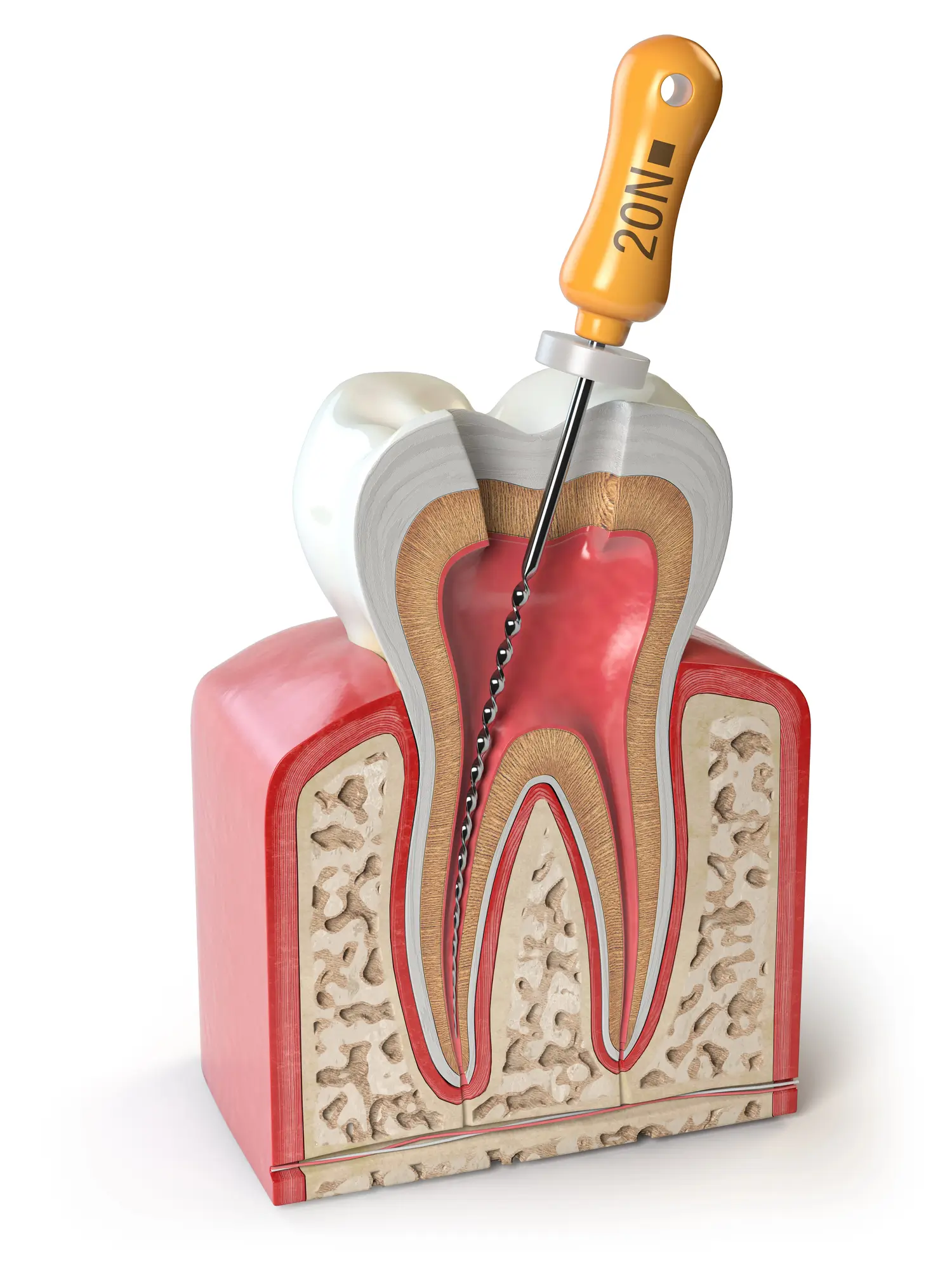
The dentist creates a small opening to reach the pulp chamber and root canals. This provides access to the damaged or infected tissue inside the tooth.
Step 2: Cleaning the Inside of the Tooth
Small instruments are used to remove inflamed or infected pulp tissue and clean the inside of the tooth. The canals are carefully shaped and disinfected to reduce bacterial presence.
Treatment may require more than one appointment in some situations. The tooth’s anatomy and the severity of infection can affect the overall treatment plan.
Step 3: Filling and Sealing the Canals
Once the canals have been thoroughly cleaned, they are filled with a biocompatible material and sealed. Proper sealing helps prevent bacteria from reentering the cleaned root canals.
The opening in the tooth is then restored with a temporary or permanent material. This step prepares the tooth for its final restoration.
Step 4: Restoring the Tooth
A root canal treats the inside of the tooth, but the outer structure may still need protection. Depending on how much tooth structure remains, the final restoration may involve a filling or crown.
Maintaining regular teeth cleaning appointments can also support long-term oral health. Continued professional care allows developing concerns to be identified before they become more serious.
Why Saving a Natural Tooth Matters
Preserving a natural tooth can help maintain normal chewing function and support the surrounding teeth. When a tooth is severely damaged but still restorable, root canal therapy may be an important alternative to extraction.
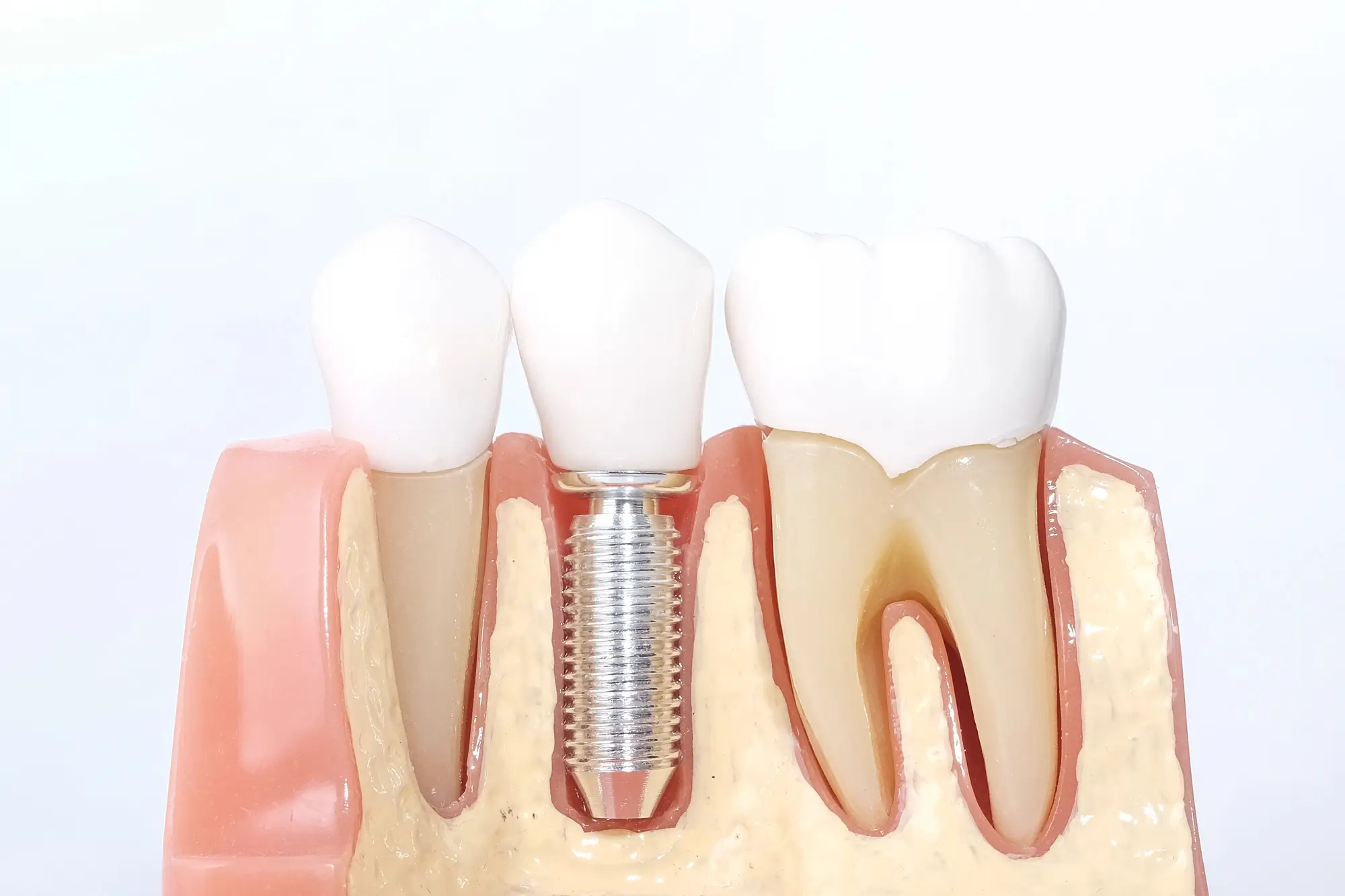
If a tooth cannot be saved, replacement options may need to be considered after extraction. Implant-supported bridges can replace multiple missing teeth and restore chewing function.
What Happens After Treatment?
Some temporary sensitivity or discomfort can occur after the procedure, particularly when the surrounding tissues were inflamed before treatment. Following the dentist’s instructions and completing the final restoration are important parts of protecting the treated tooth.
The restored tooth still needs ongoing care because a root canal does not make it immune to future decay or gum disease. Daily oral hygiene and professional exams remain essential.
Frequently Asked Questions About Root Canals
Is a Root Canal Painful?
The procedure is performed using local anesthesia to keep the area numb. Many people find that the treatment itself is comparable to other routine dental procedures.
How Long Does a Root Canal Take?
Treatment time varies based on the tooth and the complexity of its root canals. Some teeth can be treated in one visit, while others require additional appointments.
Does Every Treated Tooth Need a Crown?
Not every tooth requires a crown after root canal therapy. The need for a crown depends on the tooth’s location, remaining structure, and risk of fracture.
Can Root Canal Treatment Prevent Tooth Loss?
Root canal therapy is designed to save a natural tooth when the inside tissue is infected or inflamed, but the tooth remains restorable. Root canal therapy can remove the damaged tissue, clean the canals, and preserve the tooth’s function.
 Schedule Root Canal Treatments in Riverview, MI
A Dental Center can evaluate tooth pain, infection, and other concerns to determine whether root canal treatments in Riverview, MI, are appropriate. Contact the A Dental Center team to schedule an appointment and discuss the next steps with Dr. Howard Potocsky.