Dental Emergency or Can It Wait? How to Tell the Difference
Understanding the difference between routine dental concerns and urgent problems can help prevent unnecessary delays in care. General dentistry can address many oral health needs, but sudden or severe symptoms may require a more urgent evaluation.
A severe toothache, facial swelling, uncontrolled bleeding, or a knocked-out permanent tooth should not be ignored. An emergency dentist in Riverview, MI, can help determine the cause and begin appropriate treatment.
 What is Considered a Dental Emergency?
Severe Pain Is Often a Warning Sign
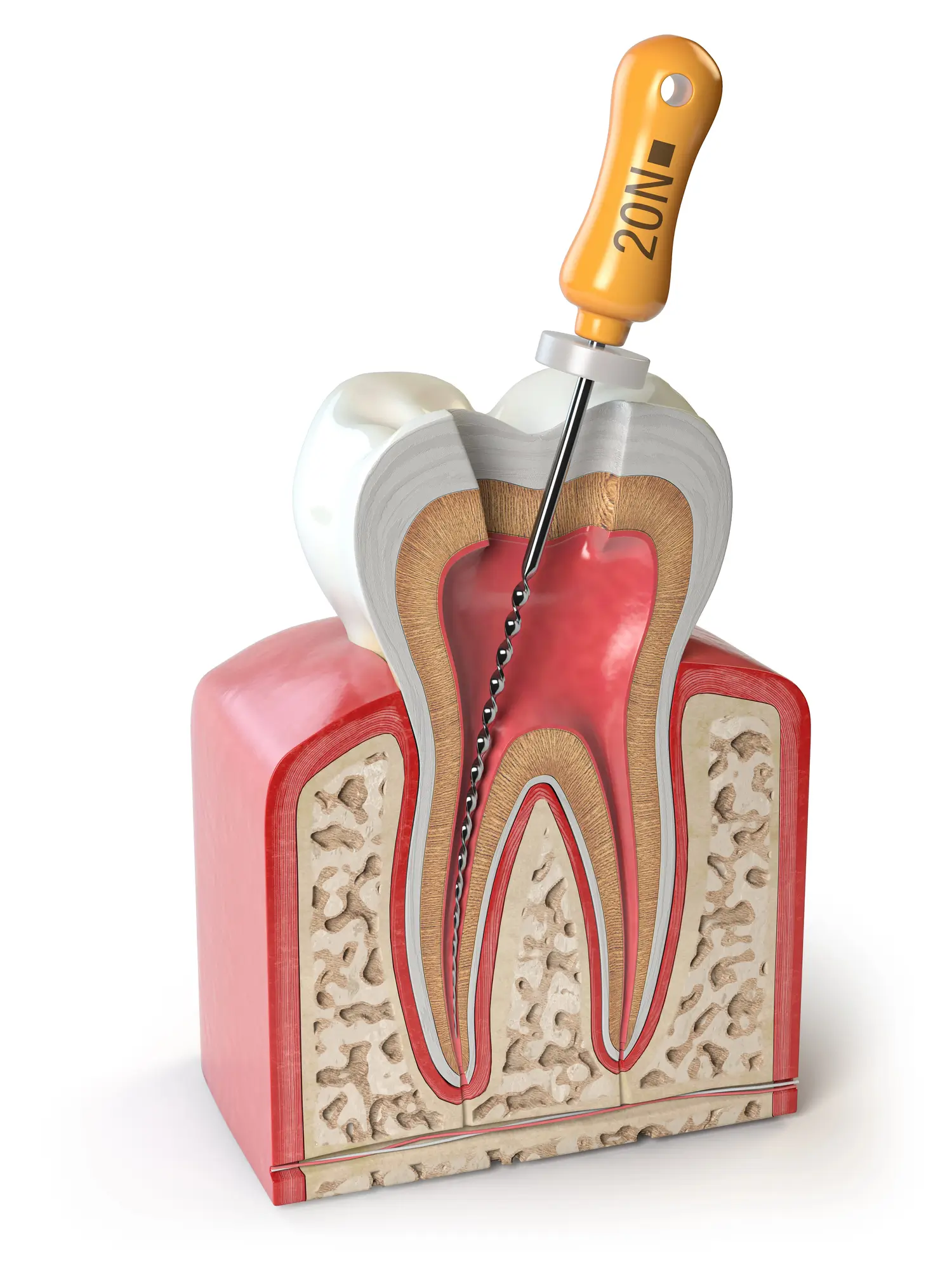
Pain that is intense, persistent, or worsening can signal a problem beyond normal sensitivity. Tooth decay may eventually lead to a toothache and require treatments ranging from fillings to root canal therapy.
Swelling or Trauma May Need Prompt Care
A broken tooth, a dental injury, or swelling around the mouth may require prompt attention. Dental emergency guidance also emphasizes that potentially life-threatening situations should be directed to 911 or the nearest emergency department.
When Can a Dental Problem Wait?
Not every concern requires an urgent appointment, especially when symptoms are mild and stable. Even so, delaying routine care for too long can allow small problems to become more complicated.
Mild Symptoms May Be Managed With a Scheduled Visit
Minor sensitivity, a small chip without pain, or a lost filling without severe discomfort may be able to wait for a regular appointment. A dental filling can often restore a tooth affected by decay before the damage becomes more extensive.
Watch for Symptoms That Change
A problem that initially seems minor may become urgent if pain, swelling, or bleeding develops. Regular teeth cleaning and examinations can also help identify developing concerns before they cause major discomfort.
What Should Happen Next?
The safest next step depends on the type and severity of the problem. A quick evaluation can help distinguish a dental issue that can wait from one that needs prompt treatment.
Call Promptly for Urgent Symptoms
Contact a dental professional when symptoms are severe, sudden, or rapidly worsening. Common situations that may require urgent care include:
- Severe or persistent tooth pain
- A knocked-out permanent tooth
- Significant swelling of the face or gums
- A broken or cracked tooth with pain
- Uncontrolled bleeding after an oral injury
- Signs of a possible infection, including swelling and severe discomfort
Depending on the diagnosis, treatment may involve root canal therapy, repair of a damaged tooth, or another procedure. Acting early can sometimes limit further damage and help preserve natural tooth structure.
Know When to Seek Emergency Medical Care
Breathing difficulties, severe swelling, or other potentially life-threatening symptoms require immediate medical attention rather than waiting for a routine dental visit. The ADA advises calling 911 for life-threatening emergencies or going to the nearest emergency department.
Can Delaying Treatment Make the Problem Worse?
Dental problems do not always stay the same, particularly when infection or significant structural damage is involved. Waiting can allow pain, decay, or gum problems to progress.
Small Problems Can Become Larger
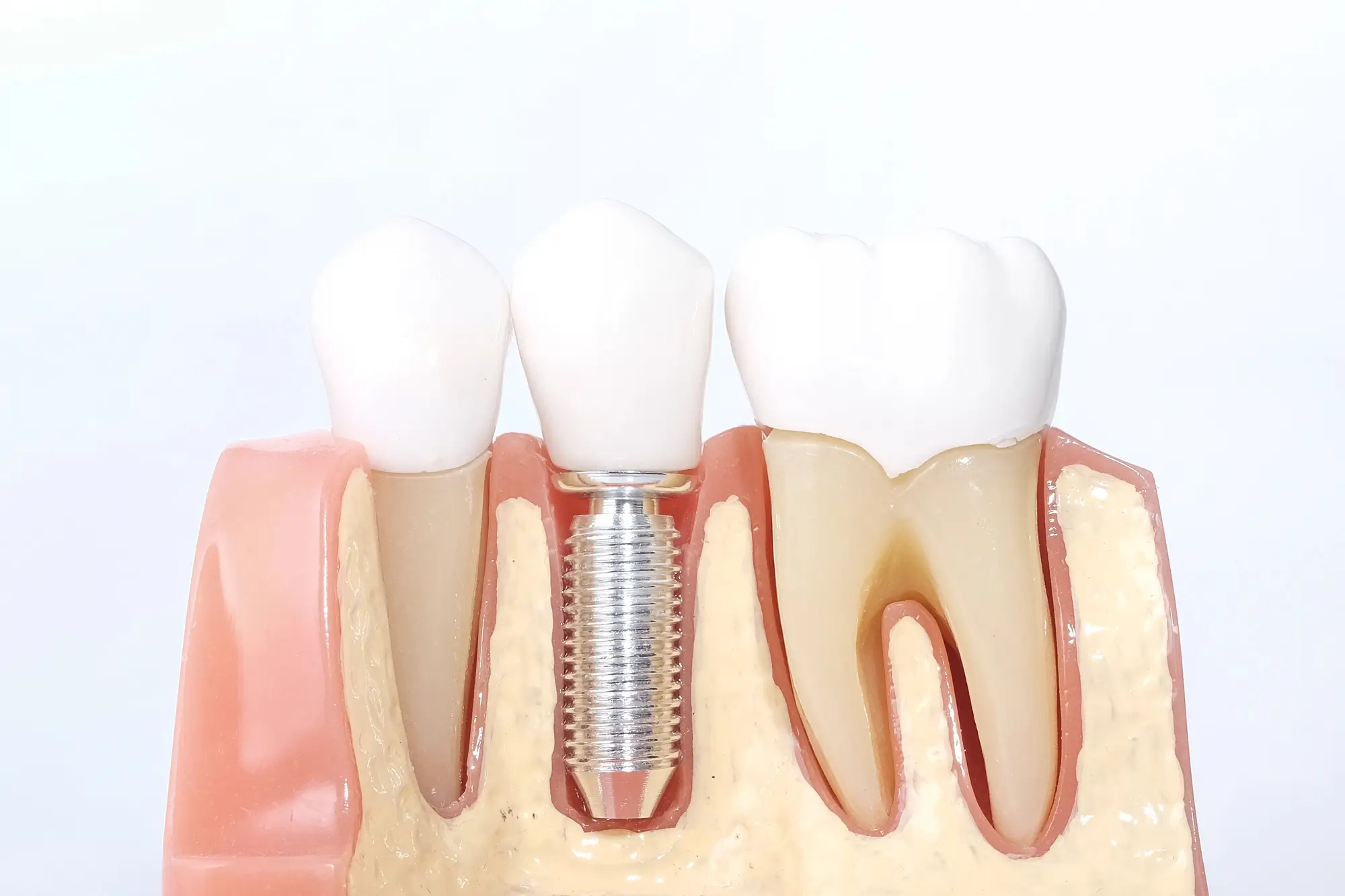
Untreated decay can progress deeper into a tooth and eventually cause symptoms that require more extensive treatment. Implant-supported bridges may replace multiple missing teeth, but preserving natural teeth whenever possible remains important.
Gum Symptoms Also Deserve Attention
Bleeding, tenderness, or swelling around the gums should be evaluated rather than ignored. Periodontal care can address gum health concerns and support the tissues that help hold teeth in place.
Frequently Asked Questions About Dental Emergencies
Is a toothache always an emergency?
A mild toothache may not always require same-day care, but severe, persistent, or worsening pain should be evaluated promptly. The underlying cause can include decay, infection, or damage that requires professional treatment.
Can a knocked-out tooth be saved?
Quick action may improve the chance of saving a knocked-out permanent tooth. The tooth should be handled carefully, kept moist, and evaluated as soon as possible.
What should happen with a broken tooth?
The mouth can be gently rinsed, and a cold compress may help reduce swelling after an injury. A dental evaluation can determine whether the tooth needs bonding, a filling, a crown, or another treatment.
 Get Help from an Emergency Dentist in Riverview, MI
A Dental Center, led by Dr. Howard Potocsky, can help evaluate urgent dental concerns and provide appropriate care based on the problem. Contact the team through the appointment page to schedule a visit with an emergency dentist in Riverview, MI, and get prompt attention for serious dental symptoms.