Do Wisdom Teeth Always Need to Come Out? Answers to Common Questions
Routine dental X-rays often reveal wisdom teeth long before they break through the gums. For many families, that discovery raises a big question about whether wisdom teeth removal in Riverview, MI, is the right next step. The answer depends on how these teeth are growing and whether they are causing trouble.
What Makes Wisdom Teeth Different?
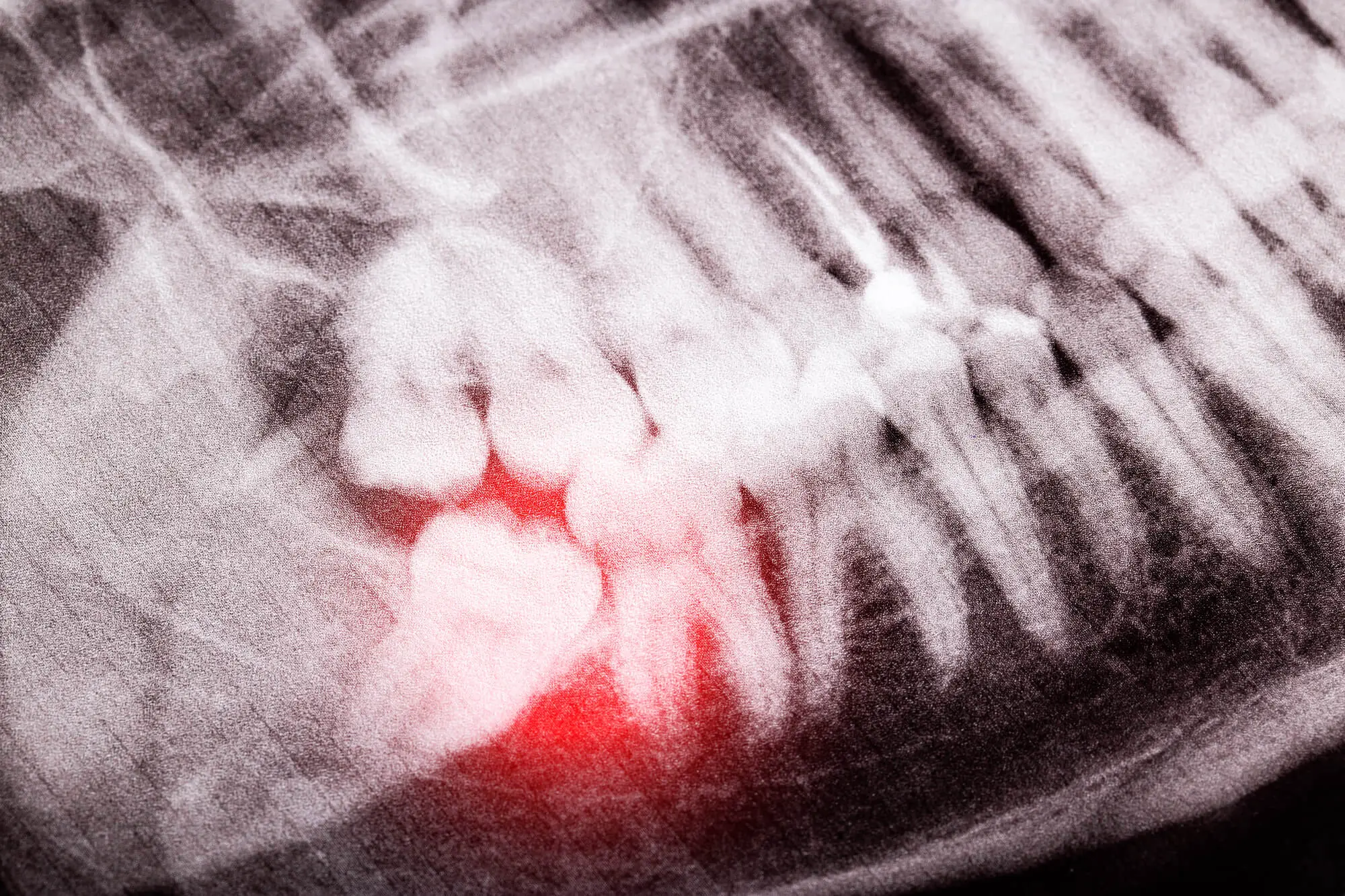
Wisdom teeth are the third and final set of molars at the very back of the mouth. Guidance on wisdom teeth management from the American Association of Oral and Maxillofacial Surgeons notes that they typically emerge between ages 17 and 25.
By that point, the jaw often has little room left. That lack of space is the root of most wisdom tooth problems.
Frequently Asked Questions About Wisdom Teeth
Can Healthy Wisdom Teeth Stay in Place?
Yes, in some cases. Wisdom teeth that fully erupt, align properly, and remain easy to clean may not need removal.
These teeth still need close attention, including professional cleanings, annual checkups, and periodic X-rays. Ongoing monitoring helps the dentist catch changes before they turn into bigger problems.
What Problems Can Impacted Wisdom Teeth Cause?
An impacted tooth stays trapped beneath the gums or bone because it lacks room to erupt. According to Mayo Clinic, impacted wisdom teeth can lead to several issues, including:
- Pain and swelling in the back of the jaw
- Trapped food that leads to decay
- Gum infections around a partially erupted tooth
- Damage to neighboring molars or bone
- Fluid-filled cysts that form around the tooth
Is There an Ideal Age for an Evaluation?
Many dentists like to check wisdom teeth during the late teen years, while the roots are still forming. Removal at a younger age often means a simpler procedure and a smoother recovery.
That said, adults of any age can benefit from an evaluation. Wisdom teeth that seemed harmless for years can still shift, decay, or irritate the gums later in life.
Do All Four Wisdom Teeth Have to Come Out at Once?
Not always, since some patients only have one or two teeth causing trouble. Others choose to remove all four in a single visit so they only go through recovery once.
The dentist will recommend an approach based on X-rays and the position of each tooth. Overall health and personal schedules can also shape the final plan.
What Does the Procedure Involve?
Each wisdom tooth extraction begins with a thorough exam and X-rays to map out the safest approach. The dentist then numbs the area so patients feel pressure rather than pain.
Some teeth come out in one piece, while others are removed in small sections for a gentler process. Most patients head home the same day with clear aftercare instructions.
How Long Does Recovery Take?
Most patients feel noticeably better within a few days, though the gums continue to heal for several weeks. Soft foods, gentle rinsing, and plenty of rest all support a smooth recovery.
Skipping straws helps protect the blood clot and lowers the risk of dry socket. Severe pain, fever, or swelling that worsens after a few days calls for emergency dental care.
 Schedule a Consultation for Wisdom Teeth Removal in Riverview, MI
Wisdom teeth do not have to be a source of worry. The team at A Dental Center will review your X-rays, answer every question, and recommend the option that best protects your smile.
If you are considering wisdom teeth removal in Riverview, MI, we would love to help. Contact our team today to schedule your consultation.