Dental Bridges vs. Implants: Choosing the Right Tooth Replacement
When it comes to replacing missing teeth, patients often face a difficult choice among treatment options. Finding the ideal solution depends on individual oral health needs, budget constraints, and long-term aesthetic goals.
Many individuals explore dental bridges in Riverview, MI, as a reliable way to fill gaps and restore oral function. Understanding the distinct differences between various restorative options helps patients make informed healthcare decisions.
What Are the Options for Restoring a Smile?
How does a bridge work?
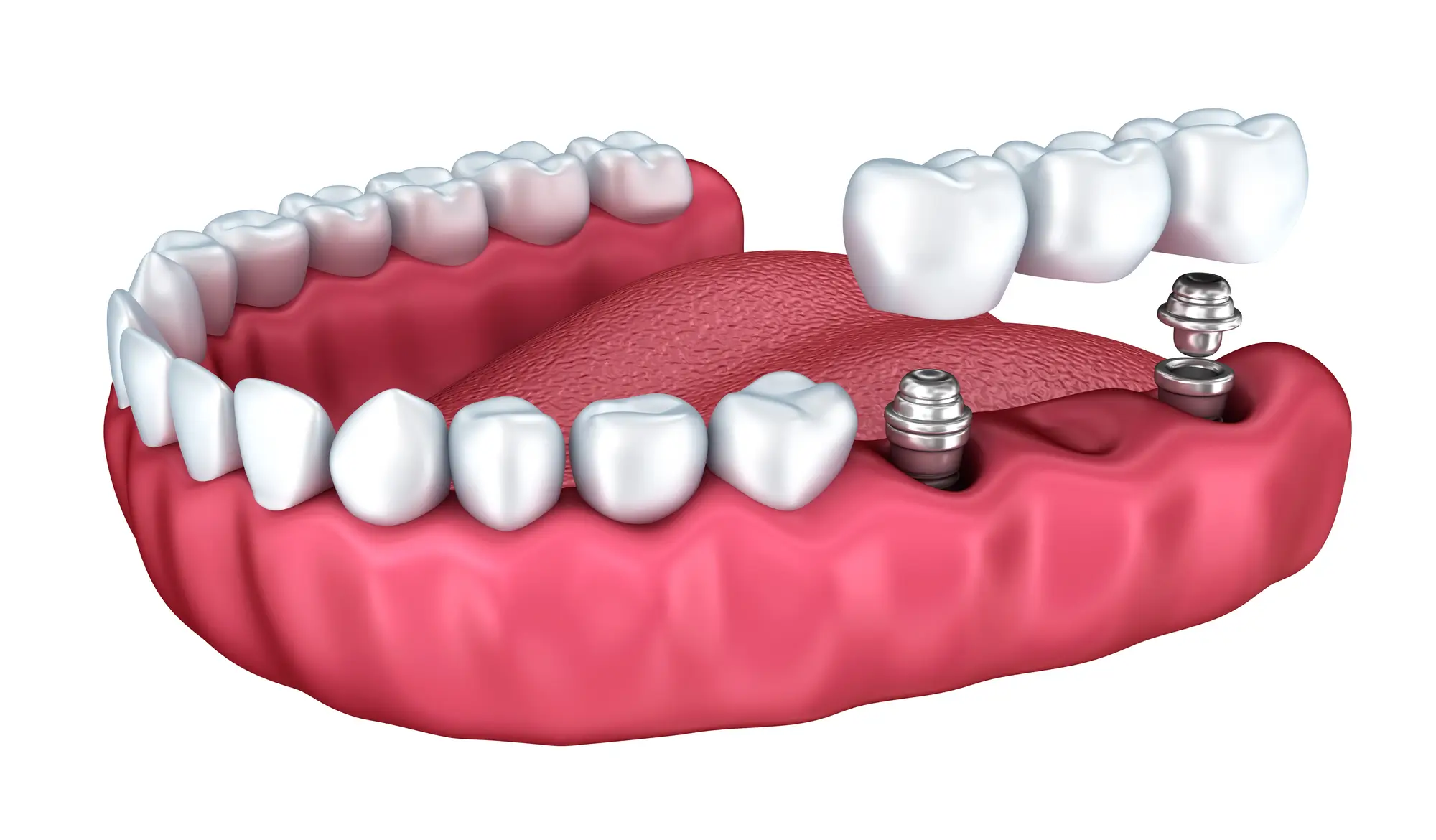
Traditional prosthetics rely on adjacent healthy teeth to support a custom-fabricated device. This method effectively works by filling the empty space with a false tooth securely anchored by crowns on either side.
What makes an implant different?
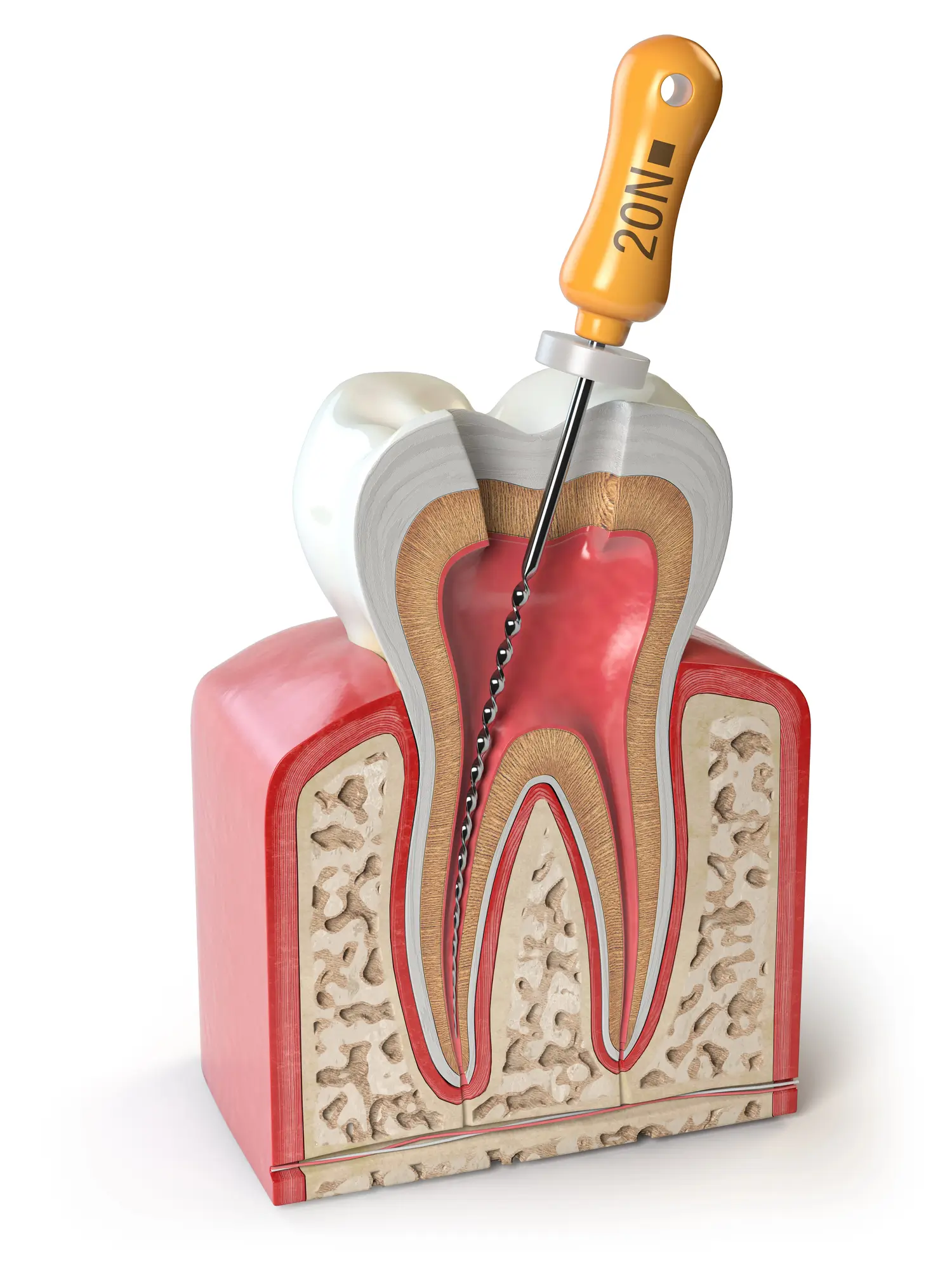
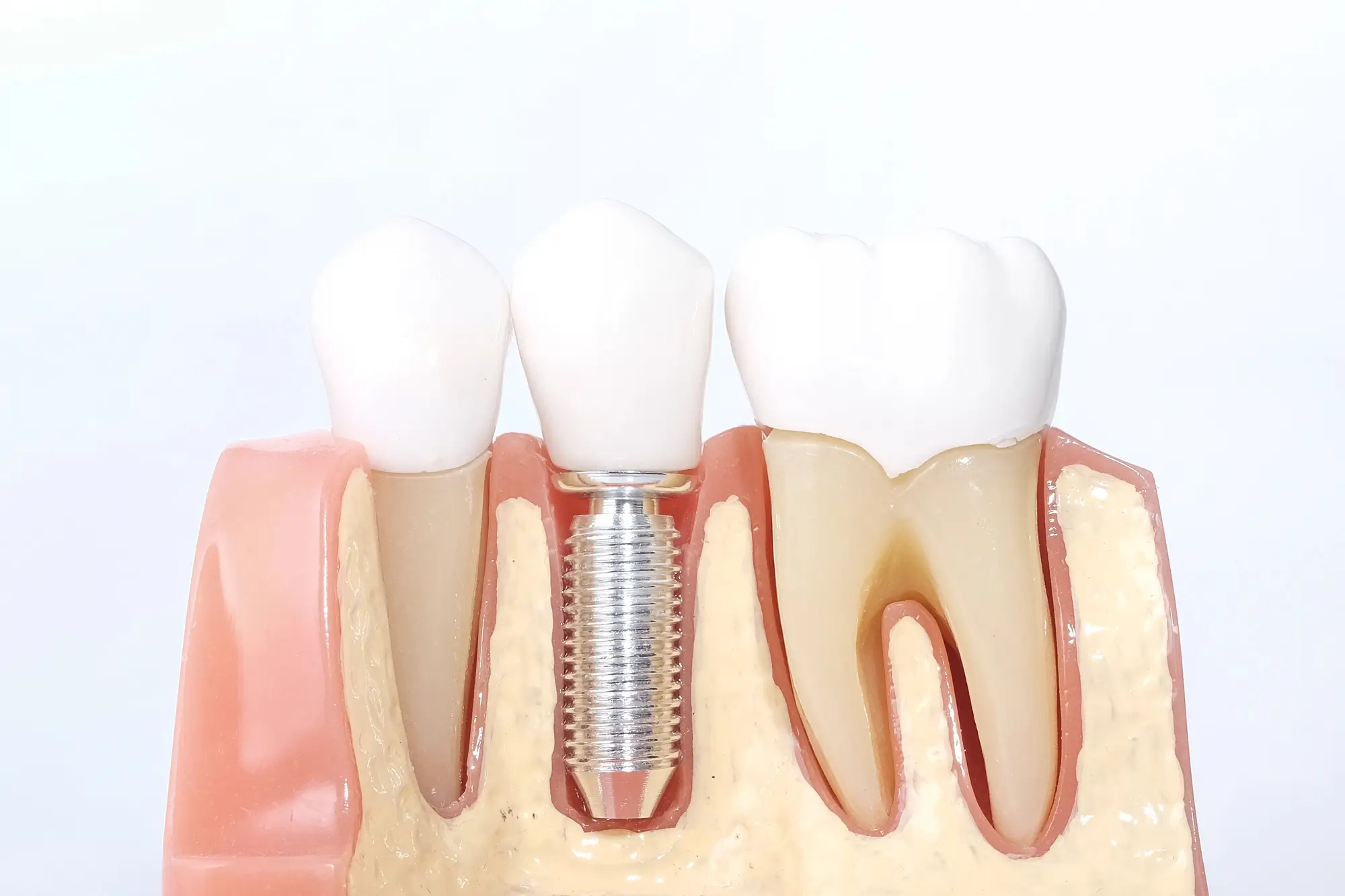
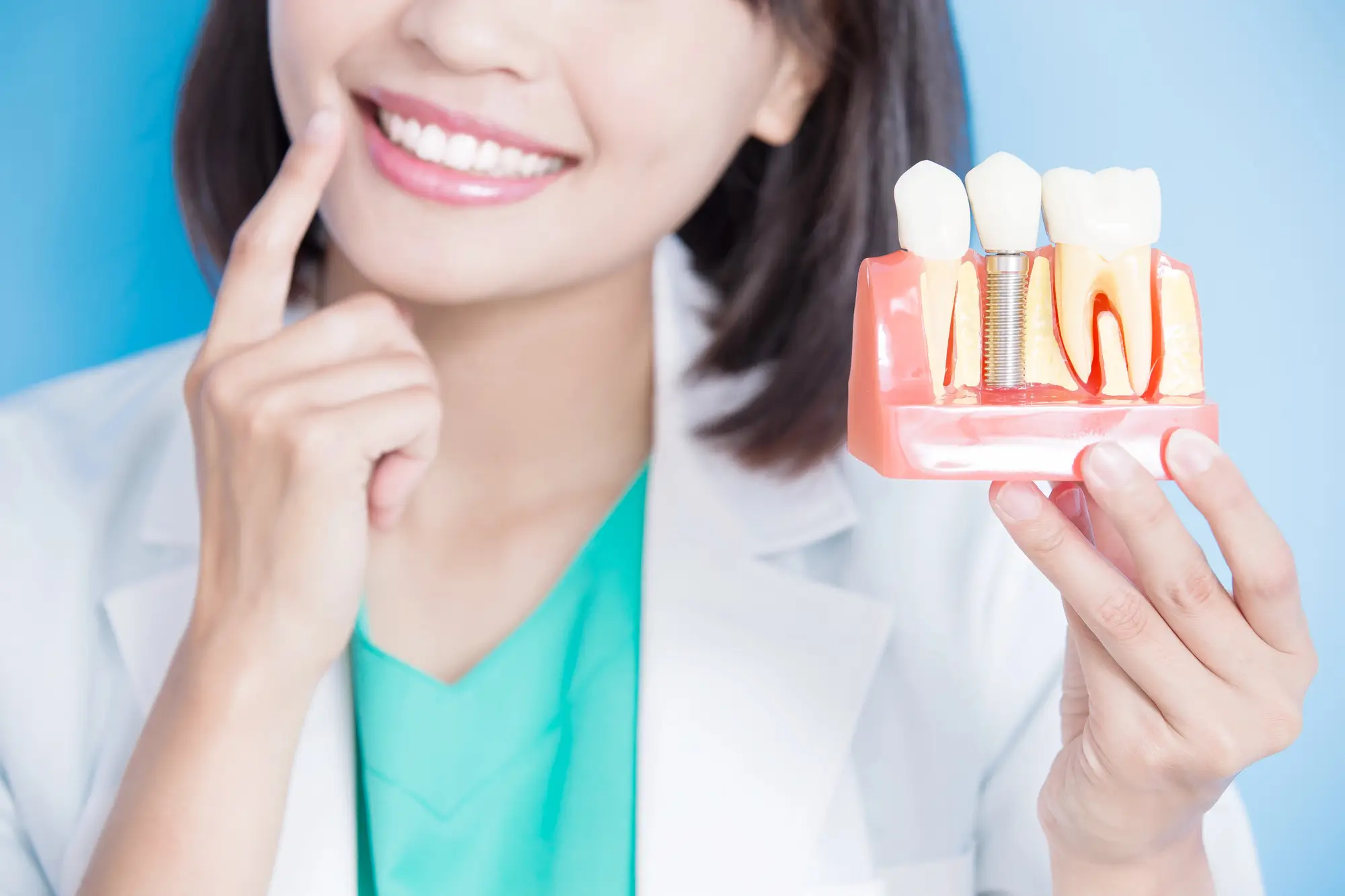
Instead of relying on neighboring teeth, modern advancements use surgically placed artificial roots that fuse directly with the jawbone. This approach provides a standalone foundation to replace individual teeth without altering the surrounding natural enamel.
Comparing the Treatment Processes
What is the timeline for each?
Surgical routes often take several months from the initial placement to the final crown attachment. Some cases take even longer to heal, especially when patients require additional jawbone preparation before the operation.
Which option offers faster results?
Non-surgical prosthetics usually require just a few weeks and a couple of comfortable visits to complete. This rapid turnaround is highly appealing for individuals focused on quickly enhancing facial aesthetics and restoring proper bite function.
Evaluating the Long-Term Benefits
How long do these restorations last?
With proper daily care, surface-level prosthetics typically need replacement after ten to fifteen years due to normal wear. In contrast, titanium fixtures embedded in the bone can last a lifetime, even serving as sturdy anchors for larger restorative solutions later on in life.
Which choice provides better stability?
Bone-integrated fixtures actively stimulate the jaw, preventing the natural bone loss that typically follows tooth extraction. However, patients lacking sufficient bone density might prefer smaller post alternatives or surface-anchored devices for immediate stability.
Understanding the Financial Investment
What are the upfront costs?
Non-surgical replacements generally feature a lower initial price point, making them accessible for many patients on a strict budget. Surgical alternatives require a higher upfront investment due to the specialized materials and advanced operative expertise involved.
Which option is more cost-effective long-term?
While traditional prosthetics save money initially, they may require multiple repairs or full replacements down the road. Bone-integrated options often prove highly economical over the long term because they rarely need replacement.
Analyzing the Impact on Surrounding Teeth
Does the preparation process alter healthy enamel?
Securing a traditional prosthetic requires shaving down the adjacent anchoring teeth to accommodate the supporting crowns. This permanent alteration removes perfectly healthy enamel, which can sometimes increase the risk of future tooth sensitivity.
How does bone preservation play a role?
When a tooth is lost, the underlying jawbone begins to slowly deteriorate due to a lack of physical stimulation. Artificial titanium roots prevent this deterioration by mimicking a natural tooth root beneath the gums.
Frequently Asked Questions About Tooth Replacement
Will the new teeth look natural?
Advanced dental materials mimic the exact translucency and shade of natural enamel, creating a seamless blend. Whether choosing a standalone fixture or exploring comprehensive cosmetic improvements, the final result looks incredibly realistic and flattering.
Are there dietary restrictions after treatment?
Patients recovering from surgical placement must stick to soft foods until the site fully heals. Once any restoration is permanently secured, individuals can generally enjoy their favorite meals with a few simple precautions:
- Avoid chewing on hard ice or solid candies.
- Cut tough, fibrous meats into smaller, manageable pieces.
- Limit excessively sticky foods that might pull or dislodge crowns.
- Chew evenly on both sides of the mouth to distribute pressure.
Schedule a Consultation for Dental Bridges in Riverview, MI
If you are ready to reclaim a complete, confident smile, the dedicated team at A Dental Center is here to provide exceptional, personalized care. To learn more about dental bridges in Riverview, MI, contact the office today to schedule a comprehensive evaluation.