Are Veneers Permanent? What Patients Should Know Before Saying Yes
Veneers are one of the most popular cosmetic dental treatments, but the consultation conversation often glosses over one important detail: this is a permanent decision, not a temporary fix. Once natural enamel is removed to make room for the veneer, there is no going back to the original tooth surface. Understanding exactly what that commitment involves before moving forward is essential when exploring veneers in Riverview, MI as a cosmetic option.
 Why Are Veneers Considered Permanent?
What Actually Happens to the Tooth?
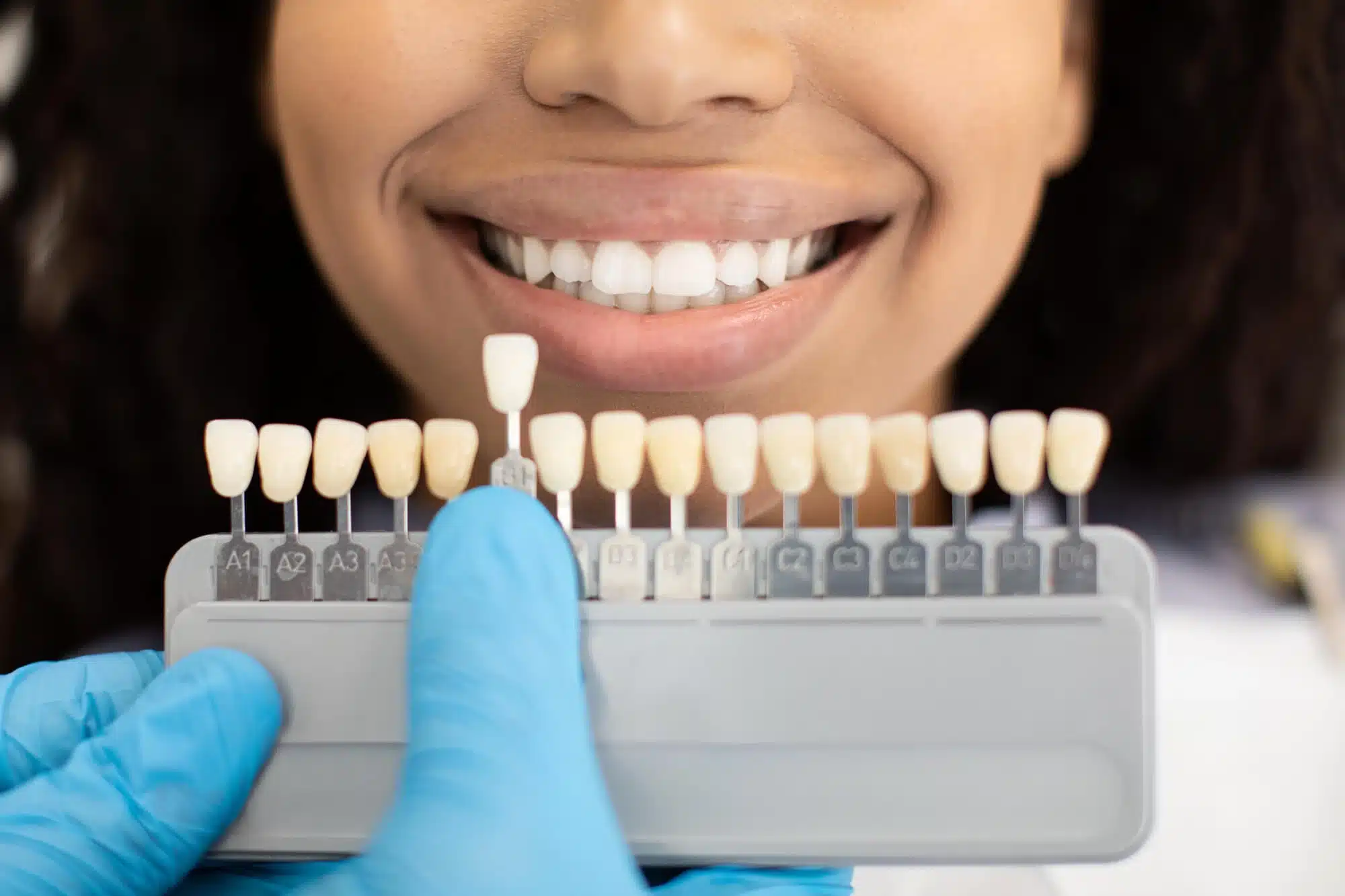
Dental veneers are custom-made shells that fit over the front surface of a tooth, but placing them requires removing a thin layer of natural enamel first. This step creates the space needed for the veneer to sit flush against surrounding teeth, and once that enamel is gone, it does not grow back.
Why Can’t the Process Be Reversed?
Veneer treatment is considered irreversible because the enamel removal is permanent, meaning the tooth will always need some form of covering going forward. Once a patient commits to porcelain veneers, those teeth will require either the original veneers or eventual replacements for the rest of their life.
What Does This Mean in Practical Terms?
Is the Tooth Vulnerable Without Its Veneer?
Because the protective enamel layer has been thinned, the underlying tooth structure beneath a veneer is more sensitive and vulnerable than an untouched tooth. If a veneer ever chips, cracks, or comes loose, the exposed dentin underneath can experience sensitivity to temperature and pressure until it is repaired or replaced.
How Long Do Veneers Typically Last?
Porcelain veneers generally last 10 to 15 years with proper care, while composite veneers tend to last 5 to 7 years before needing replacement. Either way, replacement is a matter of when, not if, since veneers are not designed to last indefinitely.
Are There Less Permanent Alternatives?
For patients who want a less binding option, cosmetic bonding services require little to no enamel removal and can be reversed if a patient’s preferences change over time. This makes bonding a reasonable starting point for patients who are uncertain about committing to a permanent cosmetic change.
Who Should Think Carefully Before Choosing Veneers?
Are There Candidates Who Should Wait?
Patients who grind or clench their teeth, have a significant overbite, or have untreated decay or gum disease should address those issues first, since these conditions can compromise veneer placement and longevity. A thorough evaluation of overall oral health is the appropriate starting point before any cosmetic planning begins.
What Questions Should Be Asked Before Committing?
Before moving forward, patients considering veneers should feel confident asking these key questions:
- How much enamel will need to be removed for my specific case?
- What happens if I change my mind about the shape, size, or shade later?
- What is the realistic lifespan I should expect for my veneers?
- What will be required to maintain and eventually replace them?
 Explore Veneers in Riverview, MI, With Confidence
At A Dental Center, Dr. Howard Potocsky walks every patient through exactly what veneer treatment involves, including the permanence of the procedure, before any enamel is ever removed.
The goal is always an informed decision, not a rushed one, so patients feel fully confident in their commitment to a new smile. Schedule your consultation today and get clear, honest answers before deciding if veneers are the right fit.